










Case study
A five-hospital system cuts elective waiting times by 36% in a year
A five-hospital health system in the US Northeast
- Elective waiting times
- -36%
- Operating room utilization, up from 67%
- 81%
- Average length of stay
- -0.9 days
- Additional procedures a year
- +4,100
The challenge
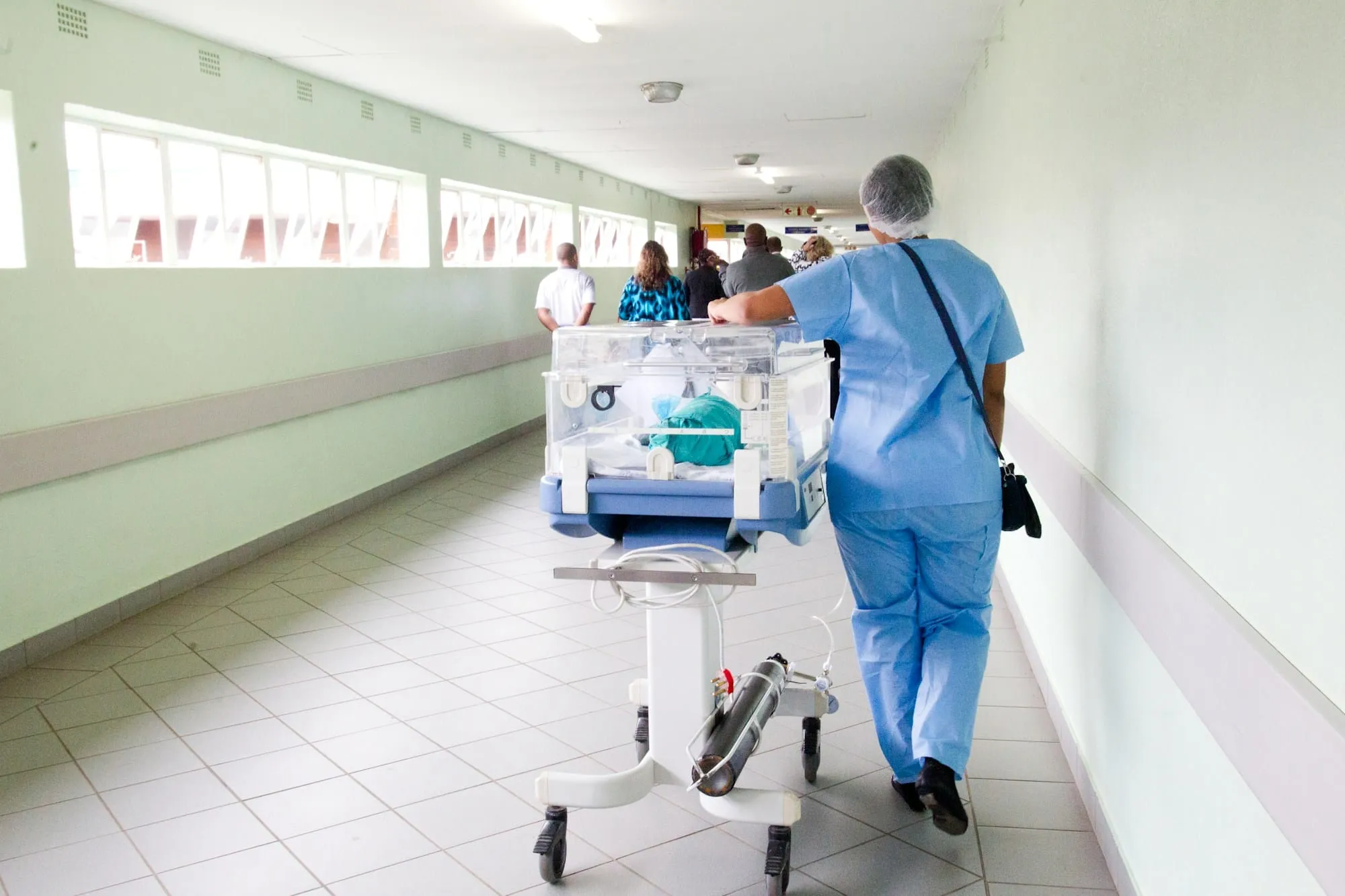
The system’s five hospitals serve a population of about 1.2 million people. Demand for elective surgery had grown by around 6 percent a year, and median waits for orthopedic and general surgery had passed seven months. Leadership had requested capital for two new operating rooms and a ninety-bed extension, but the projects would take four years and the board was unwilling to wait.
Staff were stretched. Nurse vacancy rates were above 12 percent, and surgeons reported that lists were regularly cancelled on the day because no bed was available for the patient after surgery.
Our approach
We spent the first four weeks on the wards and in the operating suites, tracking more than 3,000 patient journeys from referral to discharge. The data showed that the system did not lack capacity so much as waste it. Operating rooms were in use for 67 percent of their scheduled hours. Late starts, early finishes and same-day cancellations accounted for most of the gap. Beds were blocked because discharges clustered in the late afternoon, hours after the next day’s surgical patients needed them.
With clinical teams at each hospital, we redesigned the work in three areas:
- Theater scheduling, built around actual procedure times by surgeon, with lists finalized two weeks ahead and a daily huddle to fill gaps
- Discharge planning that starts on admission, with a target of discharging by 11:00 and a dedicated discharge lounge at each site
- A central bed management team with real-time visibility of every bed in the system, able to move elective patients between sites
Our senior advisor, a former hospital chief operating officer, spent much of the program with surgeons and ward managers, testing each change on one unit before it was rolled out.
The impact
Within twelve months, median elective waiting times fell by 36 percent. Operating room utilization rose from 67 to 81 percent, and same-day cancellations for lack of a bed fell by more than two-thirds. Average length of stay dropped by 0.9 days. The system now performs about 4,100 more procedures a year with the same physical capacity.
The board postponed the ninety-bed extension indefinitely and redirected part of the capital to outpatient diagnostics. Nurse vacancy rates have fallen to 8 percent, which the system attributes partly to more predictable shifts.
“The clinicians designed the new schedules themselves. That is why they are still running eighteen months later, long after the consultants left.”
More work
Related case studies
 -22%Operating cost baseFinancial Services2025
A regional bank takes 22% out of its cost base without closing a branch
Read the case 115%Of announced savings deliveredIndustrials2024
Two chemicals producers merge and deliver their savings eight months early
Read the case -27%Unplanned outagesEnergy & Utilities2024
A grid operator cuts unplanned outages by 27% with predictive maintenance
Read the case
Have a decision on the table?
Tell us what you are weighing. A partner will reply within two working days, and the first conversation is on us.