











Case study
A regional grocer reshapes its store network and lifts operating margin by 1.9 points
A regional grocery chain in the US Midwest
- Operating margin
- +1.9 pts
- Like-for-like sales in refitted stores
- +4.6%
- Stores converted to a smaller format
- 31
The challenge
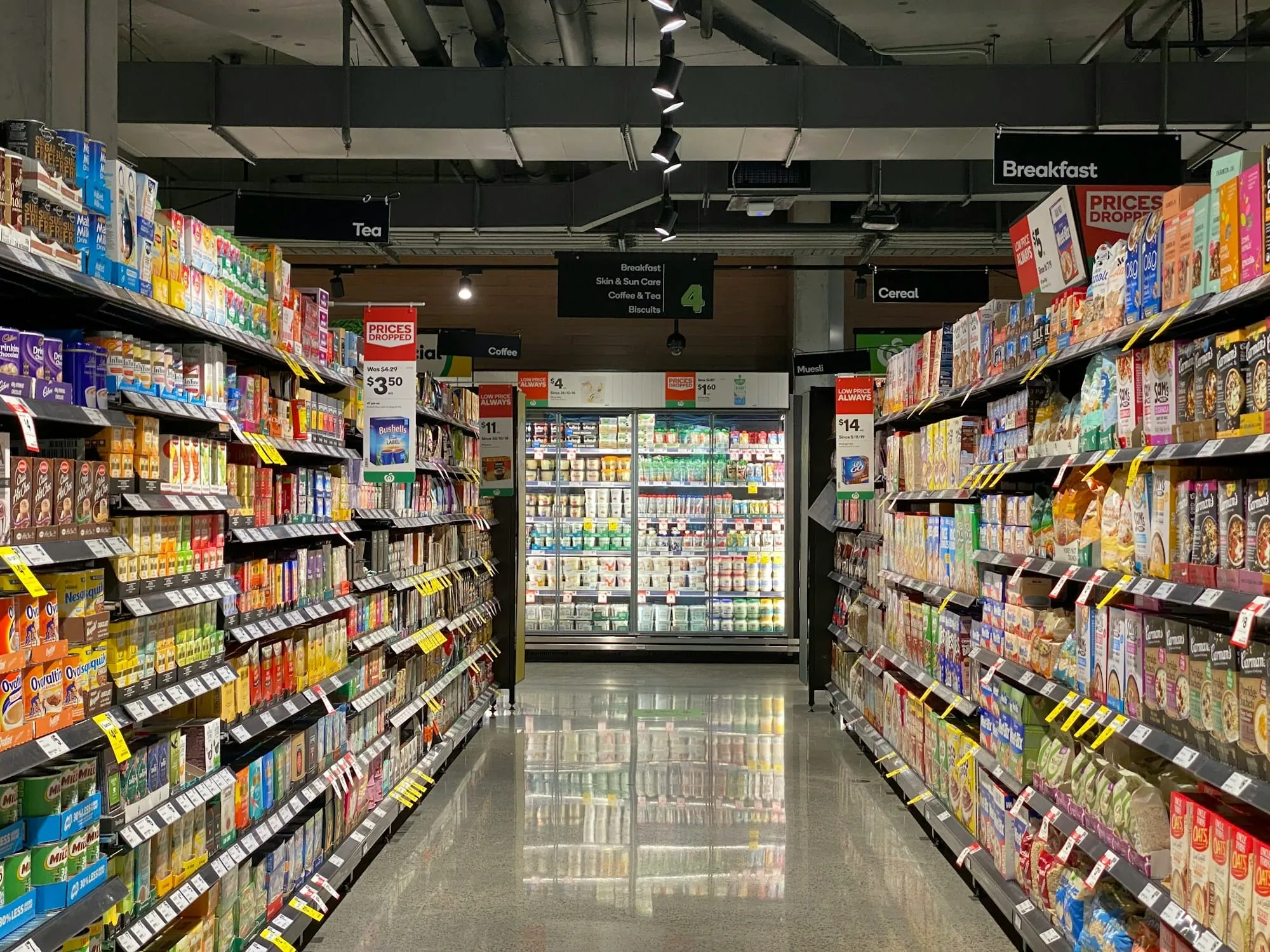
The grocer operates 240 stores across five Midwestern states, most of them large-format supermarkets opened between 1995 and 2010. Sales had been flat for four years, while operating margin had slipped from 3.4 to 2.2 percent as wages rose and discounters opened nearby.
The leadership team agreed the network needed to change but not on how. Store performance was judged on sales per square foot, and debates focused on the twenty weakest stores by that measure. Meanwhile capital was spread thinly across the estate, with every store receiving a small refresh every eight years whether it needed one or not.
Our approach
We built a full profit and loss for every store, allocating distribution, labor and overhead on actual usage rather than sales share. We combined that with three years of loyalty card data covering 1.8 million households, which showed where customers shopped, how far they traveled and what they bought elsewhere.
The analysis reshaped the picture. Eleven of the twenty stores with the lowest sales were among the most profitable, because they were small and cheap to run. Several large suburban stores with strong sales were losing money once their labor and occupancy costs were counted.
With the leadership team, we sorted every store into one of four roles:
- Grow: 46 stores in growing catchments, prioritized for full refits and expanded fresh and prepared food
- Refit: 141 stores to receive targeted investment based on what local shoppers were buying elsewhere
- Convert: 31 large stores to be reduced to a smaller format, subletting the surplus space
- Exit: 22 stores to close or sell as leases expire over three years
Capital for the next five years was reallocated to match, with more than half going to the stores in the grow group.
The impact
The board approved the plan in full. In the first two quarters of implementation, refitted stores grew like-for-like sales by 4.6 percent against 0.8 percent in the rest of the estate. The first eight conversions to the smaller format cut occupancy and labor costs in those stores by about a quarter, with sales falling less than 5 percent.
Operating margin rose by 1.9 points across the chain over the first year, and the grocer expects a further point as the remaining conversions and exits are completed.
“For years we ranked stores by sales and argued about the bottom twenty. Looking at profit and at where our shoppers actually went changed which stores we were worried about.”
More work
Related case studies
 -22%Operating cost baseFinancial Services2025
A regional bank takes 22% out of its cost base without closing a branch
Read the case -36%Elective waiting timesHealthcare & Life Sciences2025
A five-hospital system cuts elective waiting times by 36% in a year
Read the case 115%Of announced savings deliveredIndustrials2024
Two chemicals producers merge and deliver their savings eight months early
Read the case
Have a decision on the table?
Tell us what you are weighing. A partner will reply within two working days, and the first conversation is on us.